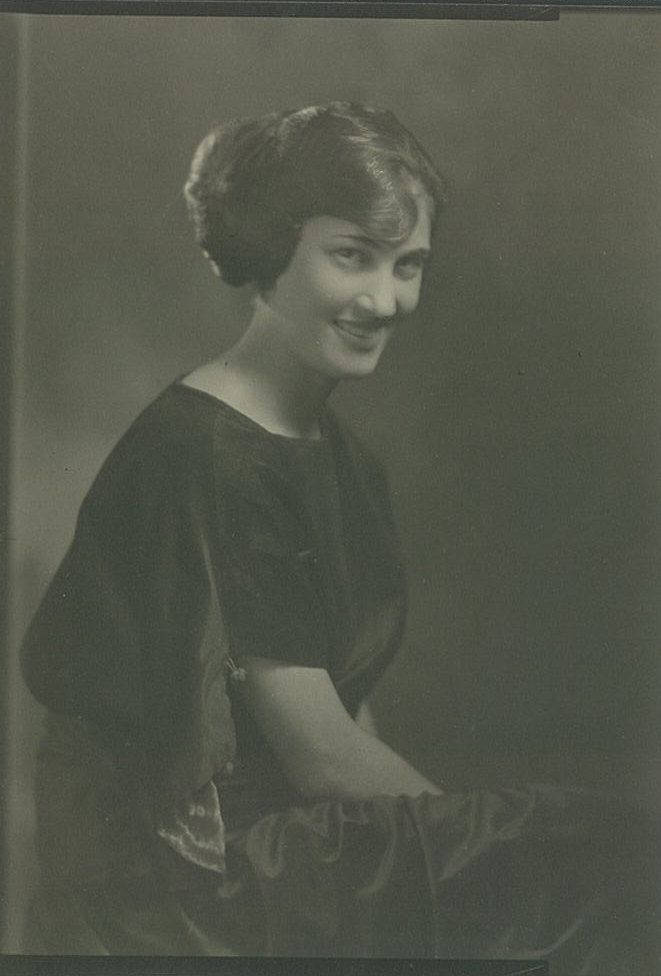
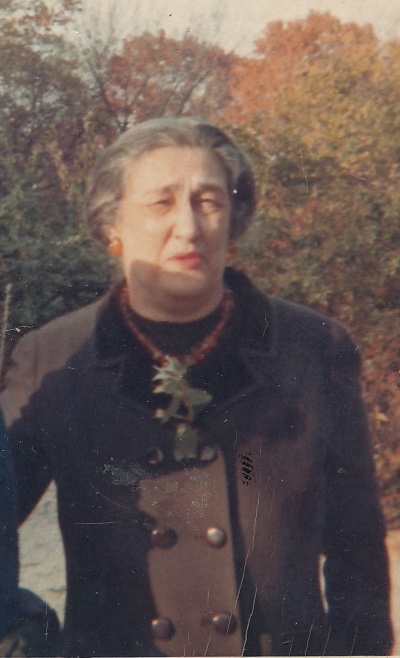
Irene Tilka Taylor’s (Silverstein) life was a tapestry woven with threads of journalism, wartime service, and post-war intelligence work, all against a backdrop of significant 20th-century events. Born Irene Silverstein in St. Joseph, Missouri, in 1902, she displayed early ambition, running away to attend the University of Missouri’s School of Journalism, from which she graduated in 1924. Her journalism career began at the St. Louis Post-Dispatch, where she penned a weekly column. Marriage to Edmond Taylor in 1927 led to a move to Paris in 1928, marking the start of her impactful years as a foreign correspondent.
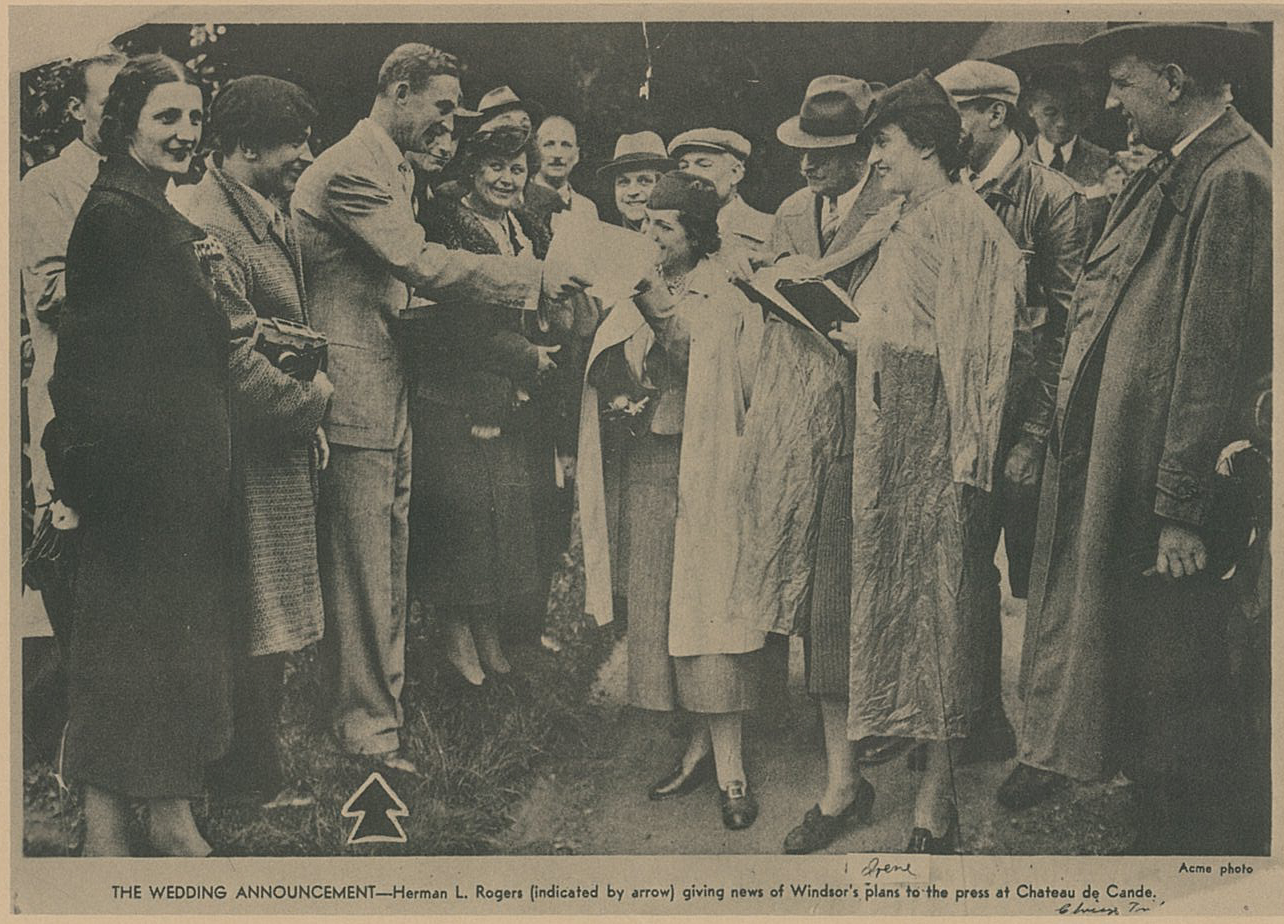
She became a stringer for major American newspapers, including the Chicago Tribune, New York Herald Tribune, New York Daily News, and United Press International, covering a wide range of stories. She reported on the social scene of American expatriates in Paris, the escalating tensions of the Spanish Civil War, and the poignant exodus of Americans as World War II loomed. She was present for significant cultural moments, such as the 1938 wedding of the Duke and Duchess of Windsor, where she gained exclusive access.
The time she was in Paris during 1940 provided her with a unique vantage point into the world of high fashion during a period of intense global upheaval. She meticulously documented her observations at several key fashion presentations, including the Vera Borea Summer Collection, the cSpring Collection, the Bruyère Summer Collection, and the Molyneux Summer Collection. These were not simply social events; they were a window into the cultural response to the encroaching war. Silverstein’s notes, preserved by the Missouri Historical Society, reveal her keen eye for detail and her understanding of fashion as a cultural barometer.
She perceived that the 1940 collections were imbued with a distinct spirit, emphasizing “courage, calm and stubborn determination”—qualities she attributed to the resilience and unwavering spirit of the French people. She recognized that the fashion industry, despite the precarious circumstances, was projecting an image of strength and continuity. Beyond simply describing the garments, she interpreted their symbolism, understanding how they reflected the mood of the nation.
Vera Borea
Ana de Pombo (Paquin)
Madame Bruyère
Edward Henry Molyneux
Model wearing a beaded dress by Edward Molyneux ||| Vogue, 1931
Silverstein went further, making a bold prediction that the French dressmaking industry would not only survive the war but would also shape the course of feminine fashion for the entire decade to come. This assertion underscored her belief in the enduring influence of Parisian style and the ability of its creators to adapt and innovate even in the face of adversity. Her work provides a valuable historical record, capturing a moment when fashion became a powerful expression of national identity and resilience.
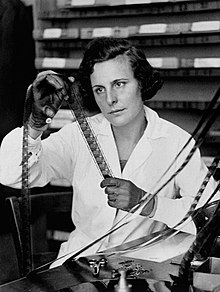
In 1937, she gained a rare glimpse into the Nazi regime’s inner workings by reporting on the conflict between Leni Riefenstahl and Joseph Goebbels. Beyond a simple account of their dispute, the reporting delved into their intricate connections to Hitler and their shared responsibility for crafting Nazi propaganda. A central focus was their collaborative, yet fraught, effort on the 1936 Olympics film, “Olympia,” which served as a powerful tool for projecting Nazi ideals.
The research dissected their power struggle, revealing how competing ambitions and Hitler’s strategic manipulation fueled the tension, and how “Olympia” was meticulously designed to reinforce the regime’s ideology of Aryan superiority and national strength. This coverage provided critical insights into the personal and political dynamics that drove the Nazi propaganda machine.
Leni Riefenstahl
Joseph Goebbels
Adelaide Hawley
In 1940, on her journey back to America, Silverstein stumbled upon an exclusive story. The boat that she was on was being threatened to be shot at with a torpedo by a German U-Boat. While everyone on the ship was evacuated onto life rafts, she risked her life to obtain a copy of the messages that were exchanged between the two boats. Her courage in securing crucial documents during this incident underscored her dedication to journalism.
Irene Taylor’s time at CBS Radio as an assistant to Adelaide Hawley placed her within the vibrant landscape of 1940s American broadcasting. Adelaide Hawley, a well-known figure on CBS, specialized in programming geared towards women, focusing on topics like homemaking, fashion, and contemporary affairs. Taylor’s role, as an assistant, likely involved a blend of research, writing, and organizational tasks crucial to the production of these shows.
Given Taylor’s journalistic background, particularly her experience covering fashion and women’s issues in Paris, she would have been a valuable asset in crafting content that resonated with the female audience. During this period, radio was a dominant medium, and CBS a leading network, meaning Taylor’s work contributed to programming that reached a vast audience of American women, reflecting and shaping the cultural discourse of the era.
In 1943, as World War II intensified, Irene Taylor enlisted in the Women’s Army Corps, leveraging her communication skills as a public information specialist. Her aptitude and experience led to her being selected for counterintelligence training, (Army Counter Intelligence Corp – CIC) a significant shift in her military role. By 1948, she was deployed to Austria, a critical location in the post-war landscape.
There, her journalistic abilities were put to use in the sensitive task of screening refugees, a process vital for security and humanitarian concerns. She also contributed to the accuracy and clarity of intelligence reports by editing them. After four years in Austria, in 1952, Taylor returned to the United States, where she undertook the important work of compiling a history of the Office of Strategic Services (OSS), the precursor to the CIA.
This project highlighted her analytical and research capabilities. Three years later, she was redeployed to Austria, resuming her refugee screening duties. In 1956, after thirteen years of dedicated service, during which she attained the rank of major, Taylor retired from the Army. However, her expertise in intelligence remained valuable, and she continued to work as an intelligence analyst, this time in Italy, until 1960.
During her military career, Taylor had the distinct privilege of interacting with key military figures, including General Dwight D. Eisenhower and General Omar Bradley, and she was present at President Eisenhower’s 1952 inauguration, reflecting her involvement in significant historical moments.
Eisenhower delivers his first inaugural address on the east portico of the U.S. Capitol, January 20, 1953
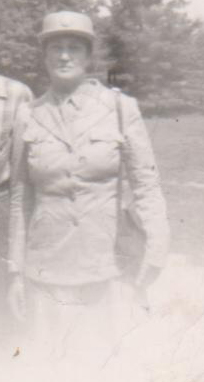
US Major Irene S. Taylor (1970)
After retiring from the Army in 1956, she continued intelligence work in Italy until 1960. In her later career, she worked for the U.S. Navy and the Department of Health, Education, and Welfare in Washington D.C., editing publications.
Taylor retired to Columbia, Missouri, in 1967, where she remained active in her community. She pursued further education at the University of Missouri and became a dedicated supporter of the university’s sports teams. She volunteered at the Harry S. Truman Memorial Veterans Hospital, demonstrating her continued commitment to service. Irene Tilka Taylor died in 1989, leaving behind a legacy of a life lived fully and engaged with the defining moments of her time.